
Assessment & research
Organizational assessment and research
Understand what is happening before deciding what comes next
When employees describe different experiences, community needs are changing, or leaders are unsure where to focus, a clearer picture can help. Deo Mwano Consultancy brings together research and the perspectives of people closest to the work so you can make informed decisions.
Where we start
When an assessment can help
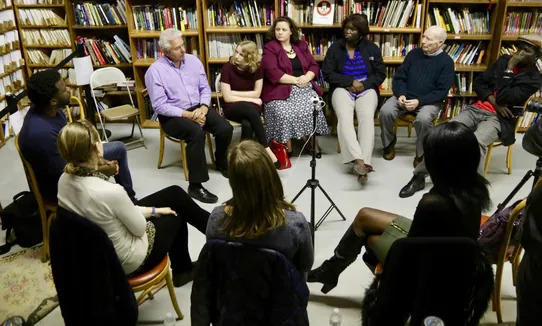
Our organizational assessment consulting combines surveys, interviews, focus groups and listening sessions to examine strengths, barriers and opportunities. We connect what people share with practical priorities for your organization, workforce or community.
You may need to understand why employees feel unheard, where communication breaks down, or what prevents people from accessing a program or service. You may also need a baseline before developing a strategic plan or making changes to an existing initiative.
DMC works with employers, nonprofits, public agencies, educational institutions and community organizations to explore these questions with the people affected by the decisions.
What we do
Assessment services
-
Organizational culture and climate assessments
Understand experiences of leadership, communication, trust, belonging and accountability across teams.
-
Workforce needs assessments
Examine employee experiences, support needs and barriers that can inform workforce development, engagement and retention planning.
-
Community needs assessments
Learn how residents and service providers experience access, participation and available support.
-
Stakeholder research
Gather perspectives through surveys, interviews, focus groups and listening sessions to inform planning and program decisions.
Our approach
How we work
-
Define the questions
We begin with the decisions you need to make, the people whose perspectives matter and the context in which the work will happen.
-
Create opportunities to participate
We select research and engagement methods suited to your audience. Participation planning considers how people receive information and what may make it difficult for them to contribute.
-
Make sense of the findings
We examine patterns across responses and listen for the experiences behind them, including differences between groups or locations.
-
Connect findings to action
We help leaders understand the implications, identify priorities and consider the next steps for strategy, leadership or service improvement.
Built for action
What your organization can receive
Depending on the scope, an engagement can include research tools, a summary of findings, an assessment report, recommendations and facilitated conversations about priorities. We agree on the questions, methods and deliverables at the beginning of the work.
Explore strategy & program designSee the work
Assessment in practice

110+
employees engaged across four locations
Co-op Food Stores
At Co-op Food Stores, DMC engaged more than 110 employees across four locations through interviews, listening sessions and workplace shadowing. The assessment informed recommendations and leadership development focused on communication, accountability and employee support.
Read the case study
1,298
completed surveys across students, employees and families
Lebanon School District
For Lebanon School District, DMC gathered 1,298 completed surveys from students, employees and families, alongside listening sessions and individual conversations. The findings informed the district’s 2022–2025 strategic plan.
Read the case study
A few things to know
Common questions
Do we need a survey, interviews or both?
The method depends on the question and the audience. Surveys can reveal patterns across a group; conversations can explain the context behind those patterns. An engagement can bring these approaches together.
Can an assessment lead into strategic planning?
Yes. Findings can provide a starting point for setting priorities, designing initiatives and deciding how to measure progress.
Let’s begin
Start with the questions that matter
Tell us what you need to understand and which decisions are ahead. We can discuss an assessment approach that fits your organization and goals.